Fire Hydrants About
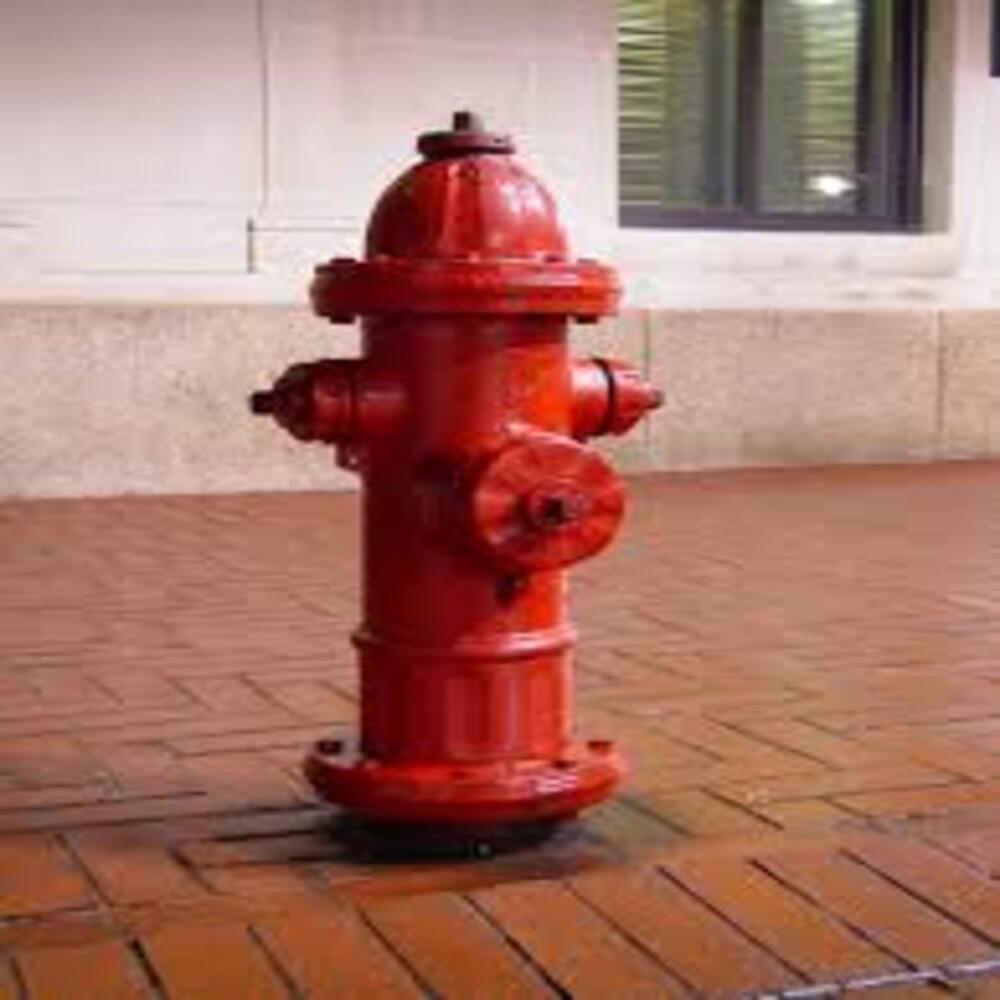
A hydrant is an upright pipe, valve, and spout apparatus typically installed on public streets or near buildings, serving as a vital, high-pressure water source for firefighting and municipal services. Primarily used to connect fire hoses to water mains, they ensure quick access to water to extinguish fires. [
1,
2,
3]
Key Features & Types
- Purpose: Primarily for firefighting, but also used for cleaning or irrigation.
- Above-Ground (Pillar) Hydrants: Clearly visible, often with multiple nozzles and Storz couplings.
- Underground Hydrants: Located beneath a road cap, requiring signs for location.
- Dry Barrel: Designed for colder climates, the valve is underground to prevent freezing.
- Wet Barrel: Constantly filled with water, used in warmer climates. [1, 2, 3, 4, 5]
- Main Valve: Controls the water flow from the pressurized municipal system.
- Nozzle/Spout: Outlet where fire hoses are connected.
- Operating Nut: Located on top, turned with a special wrench to open the valve. [1, 2, 3, 4, 5]
Superior Construction and PerformanceCrafted from high-quality cast iron or ductile iron, our hydrants boast a robust and durable design suitable for harsh environments. With a cylindrical shape, red epoxy coating, and corrosion-resistant finish, these hydrants guarantee long-term reliability and consistent performance. Approved to IS 5290, UL, and FM standards, they are ready to handle demanding fire-fighting needs.
Versatility in ApplicationEngineered for flexibility, these hydrants are available with customizable outlet numbers and sizes, allowing optimal integration into various fire safety networks. The 360-degree rotation mechanism and manual control facilitate rapid deployment, catering to the unique requirements of residential, commercial, and industrial settings for Class A, B, and C fires.
Easy Installation and MaintenanceAbove-ground installation with flange connections makes for straightforward setup and accessibility. The floor- or ground-mounting options allow adaptation to different site layouts, while easy operation and corrosion-resistant construction significantly reduce routine maintenance and downtime.
FAQ's of Fire Hydrants:
Q: How does the 360-degree rotation feature assist during firefighting operations?
A: The 360-degree rotation enables operators to quickly and easily adjust the hydrant outlets in any direction, enhancing accessibility during emergencies and ensuring flexible hose connection regardless of site layout.
Q: What standards do these fire hydrants comply with, and why are they important?
A: These hydrants are manufactured to ANSI, BS, IS 5290, UL, and FM standards. Compliance ensures reliability, safety, and compatibility with international fire safety equipment and protocols, providing peace of mind to users and installers.
Q: Where should these fire hydrants be installed for optimal performance?
A: They are designed for above-ground, outdoor installation in residential, commercial, and industrial environments. Placement should align with the property's fire safety network design to maximize coverage area and enable quick access during emergencies.
Q: What is the process for maintaining these fire hydrants?
A: Routine inspections should be conducted to check for corrosion, leaks, and functionality. Due to the corrosion-resistant, epoxy-coated finish and robust construction, maintenance needs are minimized, but periodic testing-such as pressure and flow checks-ensures continued high performance.
Q: What are the benefits of using cast iron/ductile iron construction in these hydrants?
A: Cast iron and ductile iron exhibit excellent strength and durability, providing resistance against mechanical damage and corrosion. This extends the hydrant's service life and ensures reliable operation, even in harsh outdoor environments.
Q: How customizable are the fire hydrants to specific site requirements?
A: Hydrants can be customized in terms of outlet numbers (2 or 3), size (4" or 6"), and mounting options, making them adaptable to a variety of fire safety layouts and water supply demands.
Q: When is it appropriate to choose a wet barrel versus a dry barrel fire hydrant?
A: Wet barrel hydrants are ideal for areas where the climate doesn't experience freezing temperatures, as water is stored in the barrel. Dry barrel types are used in colder regions to prevent water from freezing inside the hydrant, ensuring readiness for emergencies.








 Send Inquiry